
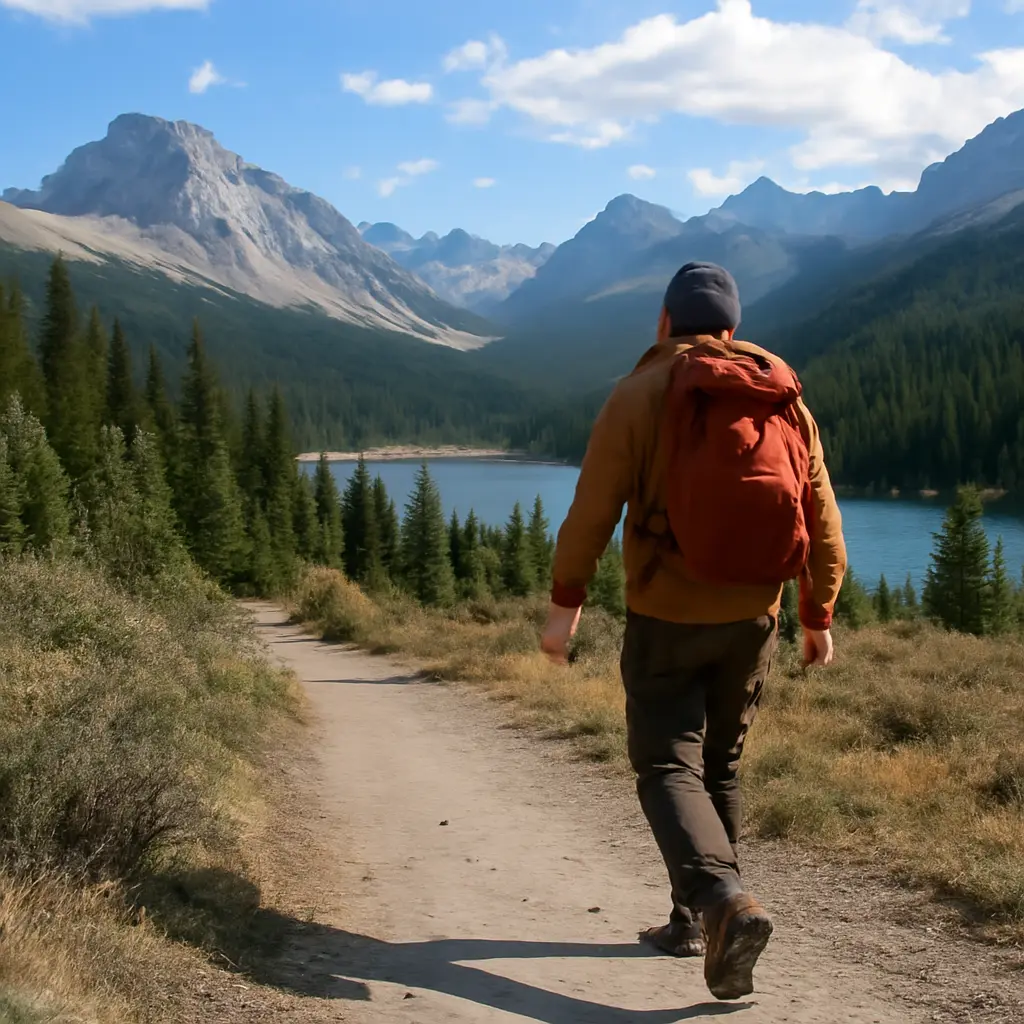
For hikers, the better mountain escape is usually the one with extensive trails, reliable access to wilderness, and enough time to explore on foot; for scenic road trippers, it is the destination that turns the drive itself into the main event. In the U.S. Rockies, Rocky Mountain National Park is a strong fit for hikers, while the San Juan Skyway in southwest Colorado is especially rewarding for drivers. The distinction matters: Rocky Mountain National Park recorded about 4.1 million visits in 2023, according to the National Park Service, while the San Juan Skyway’s roughly 236-mile loop links mountain towns, historic sites, and high-elevation scenery. The best choice depends on whether your priority is trail time, roadside views, or a trip that combines both.
Hiking appeal: Rocky Mountain National Park’s trail-focused escape
A hiking-focused mountain escape is a destination where trails, natural features, and opportunities for sustained walking shape the visitor experience. The National Park Service describes Rocky Mountain National Park as a landscape of mountain environments, including high peaks, forests, lakes, and alpine tundra. Its trail network makes it a compelling choice for visitors who want to spend more of their trip on foot than behind the wheel.
The park’s scale supports a range of outings, from short lake walks to strenuous climbs. Its high country also brings practical constraints: altitude, rapidly changing weather, seasonal snow, and limited parking can affect plans. The National Park Service’s 2023 visitation figure—about 4.1 million visits—underscores why advance planning and responsible trail use matter, especially during busy seasons.
Day hikes and alpine scenery
Day hiking means walking a route and returning to a trailhead within the same day. In Rocky Mountain National Park, hikers can choose among routes to lakes, waterfalls, forested valleys, and high-elevation viewpoints. That variety makes the park suitable for different fitness levels, but a trail’s distance alone does not indicate its difficulty: elevation gain, altitude, exposure, and weather are equally important.
For a concrete example, Bear Lake is a convenient starting area for several popular hikes, but its popularity can bring crowded parking and trails. The National Park Service recommends checking current conditions and any applicable entry or parking requirements before setting out. Hikers should carry water, layers, navigation, and a plan that allows time to turn back if conditions deteriorate.
Backcountry routes and preparation
Backcountry hiking extends beyond the park’s most developed visitor areas and can involve longer distances, fewer facilities, and greater exposure to weather. It suits travelers who want solitude and a more demanding mountain experience, but it requires careful preparation. Check trail closures, snow and stream conditions, and permit rules; leave an itinerary with someone; and avoid assuming that a route is safe simply because it appears on a map.
The transition from trail-centered travel to road-centered travel is not simply a choice between exercise and sightseeing. It is a choice about how much of the landscape you want to experience slowly on foot versus how much ground you want to cover by car.
Scenic driving appeal: the San Juan Skyway’s mountain-town loop
A scenic road trip is a journey in which the route itself—its viewpoints, changing landscapes, and roadside stops—is a central attraction. The San Juan Skyway is a roughly 236-mile Colorado Scenic and Historic Byway loop through the San Juan Mountains. Colorado’s tourism and transportation sources highlight its mountain scenery and connections to communities such as Durango, Silverton, Ouray, and Telluride.
For travelers who want to see a wide range of landscapes without committing every day to a long hike, the Skyway offers a flexible alternative. The route includes high mountain passes, historic mining towns, and opportunities to stop for short walks, meals, and local attractions. Unlike a park visit centered on a single entrance or trailhead, the loop can be divided into several driving days, with overnight stays along the way.
The Million Dollar Highway and roadside viewpoints
The Million Dollar Highway is the dramatic stretch of U.S. Highway 550 between Ouray and Silverton, often considered a signature segment of the San Juan Skyway. Its steep terrain and exposed sections deliver striking views, but the drive demands attention. The Colorado Department of Transportation advises motorists to check road conditions, weather, and closures; mountain roads can be affected by snow, ice, construction, and limited visibility.
Road trippers should treat viewpoints and stops as part of the itinerary rather than trying to rush through the pass. Pull over only where it is safe and legal, allow extra time, and avoid stopping in travel lanes or at unstable shoulders. These precautions help preserve the experience for drivers, cyclists, and other visitors sharing the route.
Historic towns and flexible itineraries
The Skyway’s towns add cultural and historical variety to the scenery. Silverton and Ouray reflect the region’s mining heritage, while Durango provides a larger base for lodging, dining, and other activities. A road-trip itinerary can combine scenic drives with brief walks, museums, hot springs, or longer hikes near the route.
This flexibility is useful for mixed-interest groups and travelers with limited hiking experience. However, a drive does not eliminate mountain risks: high elevation, changing weather, and long stretches between services still call for preparation. Check fuel, vehicle readiness, and road reports before leaving, particularly outside the summer season.
Choosing between hiking and scenic driving
The better escape depends on the trip’s primary purpose, the group’s abilities, the season, and how much time is available. Rocky Mountain National Park is the stronger match when the goal is to select trails and spend substantial time walking in a protected mountain landscape. The San Juan Skyway is better when travelers want a varied, multi-stop drive through mountain scenery and historic communities.
- Choose Rocky Mountain National Park if hiking is the main activity, you want access to established trails, and you are prepared for altitude and park logistics.
- Choose the San Juan Skyway if you value changing views, small-town stops, and the freedom to shape a driving itinerary.
- Choose a hybrid trip if you have several days: pair a park-based hiking stay with a separate scenic-drive itinerary rather than trying to cover both regions in a rushed day.
Season also changes the calculation. High-elevation trails and passes can be affected by snow and closures, while summer crowds can increase pressure on parking and popular viewpoints. Consult official park and transportation updates close to departure, and build flexibility into plans rather than relying on average conditions.
Conclusion: match the mountain escape to your travel style
Rocky Mountain National Park offers the more trail-centered escape, with varied hiking and alpine environments; the San Juan Skyway offers the more road-trip-centered escape, combining a memorable drive with mountain towns and roadside scenery. Their distinct strengths answer the central question: hikers are likely to prefer a destination organized around trails, while scenic road trippers are likely to prefer a route that makes the journey itself the attraction.
Before booking, compare official trail, entry, weather, and road information, then choose an itinerary that fits your group’s abilities and time. If you want both experiences, plan separate days for hiking and driving, and leave room for changing mountain conditions.
Sources: National Park Service, Rocky Mountain National Park, https://www.nps.gov/romo/; National Park Service, National Park Service Visitor Use Statistics, https://irma.nps.gov/Stats/; Colorado Department of Transportation, San Juan Skyway Scenic and Historic Byway, https://www.codot.gov/travel/colorado-byways/southwest/san-juan-skyway; Colorado Department of Transportation, COtrip road conditions and travel information, https://www.cotrip.org/


