
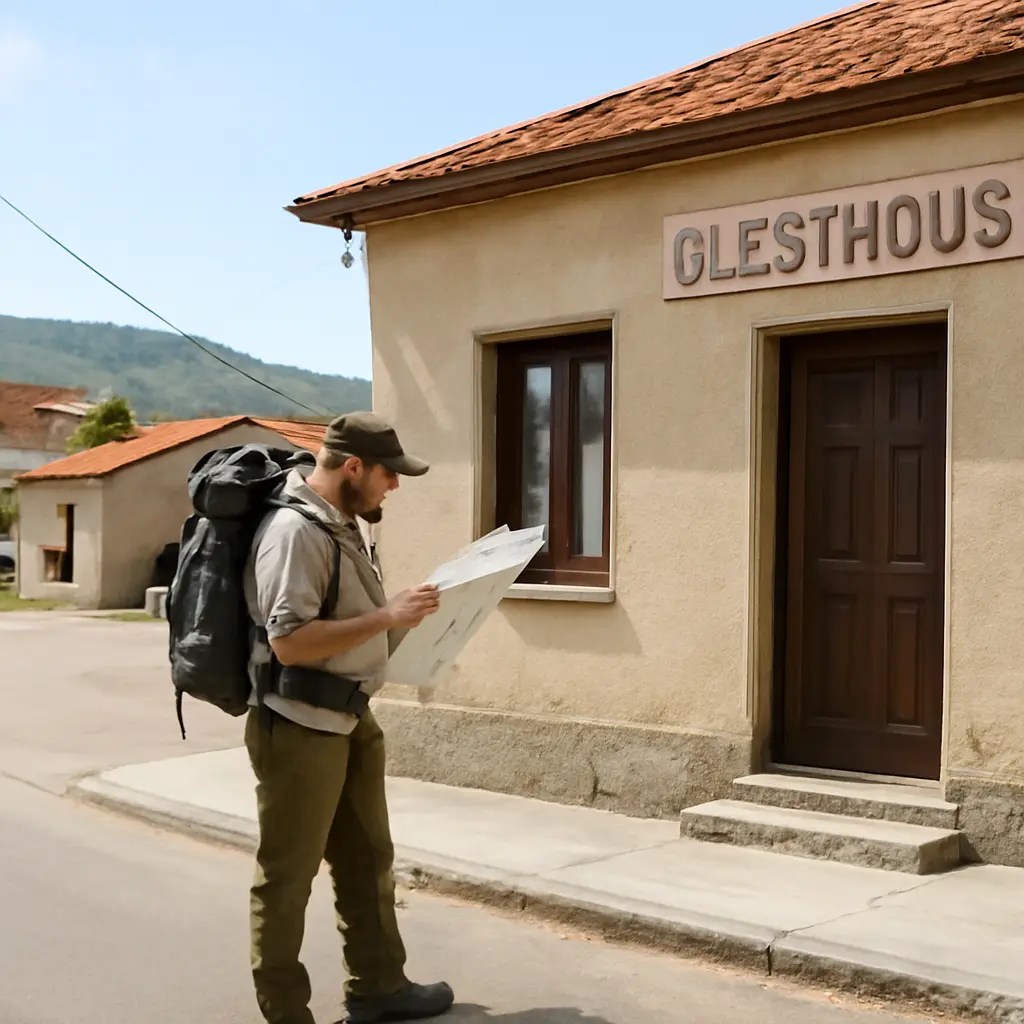
Backpacking on a shoestring means traveling independently while keeping transport, lodging, food, and activities affordable without sacrificing safety or the experience of a place. Destinations such as Vietnam, Nepal, Albania, and Bolivia can stretch a traveler’s budget through inexpensive local meals, public transport, guesthouses, and low-cost outdoor attractions. Budget figures vary by season and travel style, but price comparisons from the World Bank and local tourism sources help explain why these regions can cost less than many popular destinations in Western Europe or North America. The practical approach is to compare daily costs, choose destinations with affordable transit and lodging, and leave room in the budget for insurance, entry fees, and unexpected expenses.
Budget backpacking destinations and daily costs
A budget backpacking destination is a place where travelers can cover essential daily expenses—accommodation, meals, local transport, and modest activities—at a comparatively low cost. There is no single official definition or universal price threshold: the total depends on exchange rates, travel dates, itinerary, and comfort level. The World Bank’s International Comparison Program uses purchasing-power comparisons to show how prices for goods and services differ between economies; for a traveler, those differences can make everyday spending go further in some countries.
The estimates below are planning ranges, not official national averages. They represent a frugal independent traveler using dorm beds or simple guesthouses, local food, and public or shared transport. International flights, visas, travel insurance, and costly tours are generally additional. Before booking, check current accommodation and transport prices, since inflation, seasonality, and currency movements can quickly change a destination’s affordability.
Vietnam: low-cost food and overland travel
Vietnam is a strong choice for travelers who want to combine cities, coastline, and mountain scenery without relying on expensive private transport. A shoestring daily budget might fall around US$25–45, depending on accommodation and route. Street-food meals and local buses can keep routine spending down, while trains and long-distance buses connect major destinations such as Hanoi, Huế, Da Nang, and Ho Chi Minh City.
The Vietnam National Authority of Tourism highlights the country’s varied cultural and natural attractions, including historic towns, beaches, and national parks. That variety is useful for budget travelers because many rewarding experiences—walking through old quarters, visiting public markets, or spending time at beaches—cost little. Allow more for popular guided excursions, island trips, and entrance fees, and compare transport options before committing to a long route.
Nepal: affordable trekking with extra costs to plan for
Nepal can offer inexpensive guesthouses and local meals, particularly in cities and towns outside the most heavily visited trekking corridors. A simple non-trekking budget may be roughly US$20–40 per day. Trekking costs are less predictable: permits, guides or porters, transport to trailheads, and meals or lodging at altitude can raise the daily total substantially.
The Nepal Tourism Board describes trekking as a major part of the country’s visitor experience, but “budget” should not mean cutting corners on safety. Check current permit requirements, weather, trail conditions, and whether local rules require a guide for the route you plan to take. Build in funds for acclimatization days and evacuation coverage; remote mountain travel can make emergencies costly and difficult to manage.
Albania: Europe on a tighter budget
Albania can be a comparatively affordable way to explore Europe’s Adriatic and Ionian coasts, historic towns, and mountain landscapes. Frugal travelers may plan around US$35–60 per day, with the final amount influenced by summer demand and whether they stay in beach resorts or inland towns. Local buses and small family-run guesthouses can help control costs, although schedules and booking systems may be less standardized than in some Western European countries.
The Albanian National Tourism Agency promotes destinations ranging from the UNESCO-listed historic centers of Berat and Gjirokastër to the Albanian Riviera. These varied stops make it possible to balance pricier coastal nights with lower-cost inland stays. For a realistic budget, check seasonal accommodation rates and confirm transport times locally rather than assuming frequent service.
Bolivia: high-altitude landscapes for careful planners
Bolivia is known for dramatic scenery, from the Uyuni salt flats to highland cities and the Lake Titicaca region. A frugal traveler might budget approximately US$25–45 per day for basic lodging, local meals, and ordinary transport, while organized salt-flat tours and longer transfers can add considerably to the total. The country’s affordability is most useful to travelers who have enough time to move at a measured pace rather than paying for rushed, private itineraries.
Bolivia’s official tourism information presents its landscapes and cultural heritage as central attractions. Because many destinations sit at high altitude and can be far apart, budget for acclimatization, reliable transport, and appropriate clothing. Low prices do not remove the need to assess operator safety, tour inclusions, and seasonal road conditions.
Stretching a backpacking budget without compromising essentials
Choosing an affordable country is only one part of managing travel costs. The biggest savings often come from the decisions repeated every day: where to sleep, how to get around, and whether to eat locally. These choices work best when paired with a realistic allowance for health, safety, and occasional splurges.
Use local transport and flexible itineraries
Public buses, trains, and shared vans are often cheaper than taxis or private transfers, especially on common routes. A flexible itinerary can also help travelers avoid peak fares and stay longer in places where accommodation is good value. Compare the full journey cost, however: a low ticket price may come with extra baggage charges, inconvenient departure times, or an expensive transfer at the other end.
Choose lodging and meals that support the daily budget
Hostel dormitories, guesthouses, and simple locally owned stays can reduce accommodation expenses, while markets and neighborhood eateries often cost less than tourist-facing restaurants. Read recent reviews, verify the location and included amenities, and account for taxes or service fees. A kitchen can help lower food costs, but only if grocery prices and access make self-catering worthwhile.
Keep a safety and contingency reserve
A low daily target should never depend on skipping travel insurance, necessary medication, or safe transport. The U.S. Centers for Disease Control and Prevention advises travelers to plan for health risks before departure, while the U.S. Department of State recommends reviewing country-specific travel information. Keep an emergency reserve separate from ordinary spending for medical care, route changes, lost belongings, or an unexpected night’s lodging.
How to compare destinations before booking
Daily-budget estimates are most useful when compared on the same basis. A traveler can create a simple chart with columns for dorm or guesthouse rates, three local meals, intercity transport, local transit, and the main activity planned for each destination. Add flight costs, visa charges, insurance, and seasonal price changes separately so a low in-country budget does not disguise an expensive overall trip.
For a real-world comparison, consider two weeks in Vietnam versus two weeks in Albania. Vietnam may offer lower routine meal and transport costs, but reaching Southeast Asia can require a more expensive long-haul flight. Albania may be easier to combine with other European destinations, yet summer coastal lodging can rise sharply. The better-value trip is therefore the one with the lower total cost for the traveler’s route and dates—not necessarily the country with the cheapest meal.
A useful planning sequence is to set a total trip ceiling, price flights and required paperwork, estimate a daily in-country range, and add a contingency buffer. Recheck figures close to departure using current booking listings and official travel advisories. Budget ranges are planning aids rather than guarantees, and exchange-rate changes can affect actual spending.
Conclusion: choose value, not just the lowest price
Vietnam, Nepal, Albania, and Bolivia can all support shoestring backpacking, but each offers a different balance of food, transport, scenery, and logistical demands. Vietnam stands out for inexpensive everyday travel, Nepal for trekking and mountain culture, Albania for a lower-cost European itinerary, and Bolivia for high-altitude landscapes. Compare the full trip cost, travel in a way that respects local conditions, and protect the budget with a contingency fund and appropriate insurance. Start by checking current fares and official destination guidance, then build an itinerary around the experiences you value most.
Sources: World Bank, International Comparison Program, https://www.worldbank.org/en/programs/icp; Vietnam National Authority of Tourism, Vietnam Tourism, https://vietnam.travel/; Nepal Tourism Board, Trekking in Nepal, https://ntb.gov.np/; Albanian National Tourism Agency, Albania Tourism, https://albania.al/; Bolivia Tourism, Official Tourism Portal of Bolivia, https://bolivia.travel/; U.S. Centers for Disease Control and Prevention, Travelers’ Health, https://wwwnc.cdc.gov/travel; U.S. Department of State, International Travel, https://travel.state.gov/content/travel/en/international-travel.html.