Past vacation images can do more than preserve memories: they can spark interest in places and experiences we have not yet pursued. Research on nostalgia suggests that recalling meaningful moments can strengthen feelings of connection and encourage people to imagine future possibilities. For travelers, a familiar photo may prompt a fresh search for destinations, while social-media images and travel surveys show how strongly visual inspiration figures in trip planning. The effect is not automatic—an image can inspire, soothe, or even make a trip feel out of reach—but understanding memory cues, visual storytelling, and practical planning helps explain how looking back can turn into wanderlust.
Vacation images inspire future wanderlust through memory and imagination
A vacation image is a photograph or other visual record of travel, whether it comes from a printed album, a phone gallery, or a social platform. Its unexpected influence lies in how it joins a specific memory to an imagined next step: a sunset photograph may recall a past evening while prompting a search for another coastline, and a street scene may revive curiosity about a city’s food, language, or neighborhoods.
Psychologist Constantine Sedikides and colleagues describe nostalgia as a sentimental longing for the past that can also support social connection and a sense of meaning. In their research, nostalgic reflection is associated with greater optimism and a stronger orientation toward the future. This does not prove that vacation photos directly cause people to book trips; rather, it offers a useful explanation for how a remembered experience can become fuel for future plans.
The scale of travel makes that transition relevant. The United Nations World Tourism Organization reported an estimated 1.4 billion international tourist arrivals in 2024, recovering to about 99% of the 2019 level. Meanwhile, Expedia Group’s 2024 travel research reported that 53% of surveyed travelers said social-media content influenced their travel choices. These figures measure different things—international arrivals and survey responses—but together illustrate a world in which travel is both widespread and visually mediated.
Memory cues explain how vacation images shape future travel desire
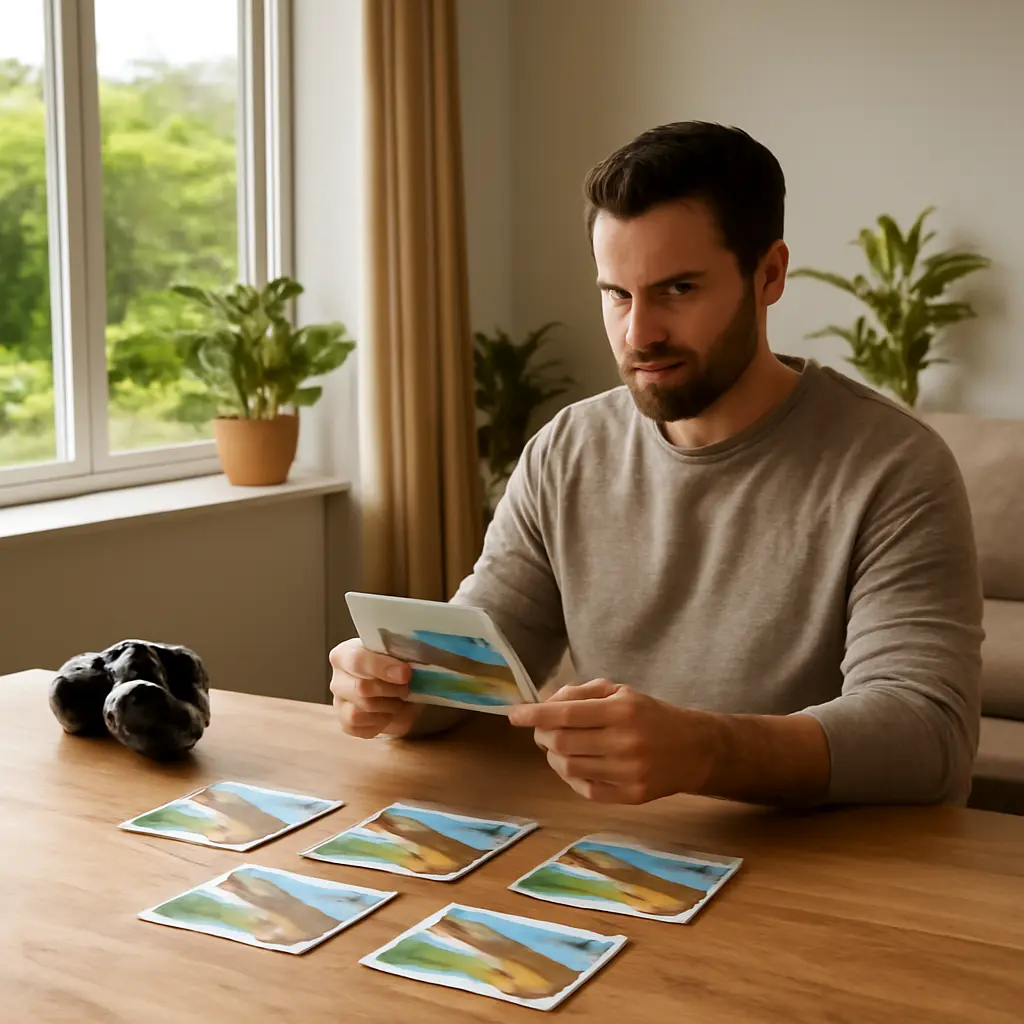
A memory cue is a stimulus that helps bring an experience to mind. A photograph can act as a cue by preserving a scene, but it may also reactivate the surrounding details: who was there, what the weather felt like, or what the traveler discovered unexpectedly. The American Psychological Association’s Dictionary of Psychology defines a cue as a stimulus that elicits or aids retrieval of a memory. In this context, the image is a starting point rather than a complete record of the trip.
Autobiographical memory reconnects images with lived experience
Autobiographical memory is memory for events and experiences from one’s own life. A vacation image can make a past journey feel personally accessible again, especially when it carries recognizable details such as a travel companion, a meal, or a view from a particular hotel. The photo may then prompt a traveler to seek a related experience—returning to a place, visiting a nearby region, or recreating a valued activity elsewhere.
The image is not a neutral or exhaustive record. Research by Linda Henkel, published in Psychological Science in 2014, found that photographing objects during a museum visit could affect memory for those objects: participants remembered photographed objects less well than objects they had only observed, under the study’s conditions. The finding is a reminder that taking pictures and later revisiting them are not identical to attentive experience. Looking at an old image may revive a moment, but it cannot replace the sensory and social details that were never captured.
Nostalgia can turn recollection into future orientation
Nostalgia is a warm, often bittersweet reflection on meaningful past experience. In a review of nostalgia research, Sedikides and Tim Wildschut describe it as a self-relevant emotion that can foster social connectedness and meaning. Those qualities help explain why revisiting a group photo, a family trip, or a solo-travel snapshot can renew the desire to share time with others or explore independently.
The bridge from nostalgia to travel is a possibility, not a guarantee. Someone who remembers a peaceful trip may seek another restorative break; someone who remembers a difficult journey may decide to travel differently next time. The past image provides emotional material, while current needs, finances, health, and responsibilities shape whether that feeling becomes an itinerary.
Visual storytelling turns personal photos into travel inspiration
Visual storytelling is the communication of a narrative through images and their surrounding context. A vacation photograph can suggest not only where someone went but what the trip meant: a family milestone, a first encounter with a landscape, or an unplanned detour. Captions, maps, saved posts, and conversations add context that can convert a single image into an idea for a future journey.
Photo albums and digital galleries support rediscovery
A photo album is an organized collection of images that makes earlier trips easier to revisit. Printed albums encourage deliberate browsing, while searchable phone galleries can surface old images through dates, locations, or faces. Both formats can produce an unexpected prompt: an image rediscovered while looking for something else may reveal a destination or activity that had faded from memory.
A practical way to make rediscovery useful is to pair images with short notes. Record the location, season, what made the experience memorable, and one thing you would change next time. This turns a gallery into a personal reference rather than a stream of disconnected snapshots, and can help distinguish a genuine travel preference from a momentary longing for a polished image.
Social-media images broaden the destination imagination
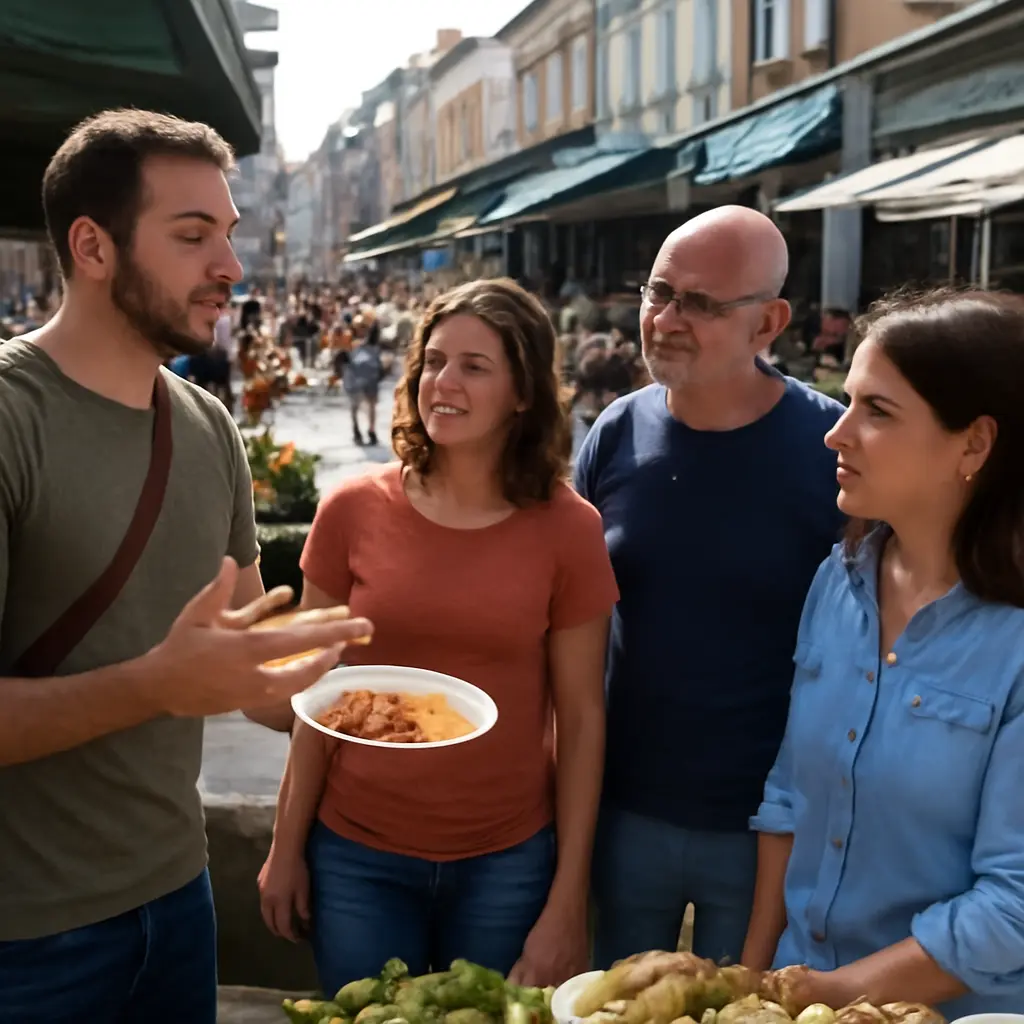
Travel inspiration is the formation of interest in a trip through information, stories, or images. Social platforms can expose travelers to places beyond their usual experience, but they also present highly selected views. Expedia Group’s 2024 survey found that 53% of respondents reported social-media influence on travel choices. The statistic indicates substantial reported influence among those surveyed; it should not be interpreted as proof that every inspired viewer will travel or that social content is the sole cause of a destination choice.
Personal vacation photos can provide a more grounded counterpoint to influencer images. They may show the ordinary details behind an attractive scene—crowds, weather, transport, or the time needed to reach a viewpoint. Comparing multiple sources, including local tourism information and recent traveler reports, can help turn visual curiosity into realistic expectations.
Travel memories become future plans through reflection and action
A travel intention is a stated or developing plan to take a trip. Images can contribute to that intention by clarifying what a person values, but planning connects emotion with practical choices. The transition is most useful when travelers treat inspiration as a question—what did I enjoy, and what would I like to experience next?—rather than as pressure to reproduce a perfect-looking scene.
Reflective prompts translate photographs into preferences
Reflective travel planning means examining past experiences to identify preferences and lessons. Choose a few images and ask what happened just before and after each moment, which companions or activities mattered most, and whether the destination itself or the pace of the trip made it memorable. The answers may point toward a type of future experience—quiet nature, cultural events, food exploration, or time with family—rather than simply another visit to the same place.
This method also helps correct the “highlight reel” effect. A single photograph may preserve an ideal moment but omit delays, costs, fatigue, or accessibility barriers. Reviewing a broader set of images and notes can yield a more balanced picture of what worked, allowing the next trip to be designed around real preferences.
Responsible planning balances desire with real-world constraints
Responsible travel planning considers budget, time, accessibility, seasonal conditions, and environmental effects alongside personal excitement. Once an image sparks interest, verify current entry requirements, transport options, weather patterns, and local guidance. A destination that looks inviting in a photograph may have seasonal closures or visitor-management rules that affect when and how to go.
Images can also encourage lower-impact choices. A remembered train journey, locally guided walk, or visit outside peak season may inspire a future trip that supports local communities and reduces pressure on crowded sites. The goal is not to make every journey perfect, but to let memory inform choices that are feasible and considerate.
Conclusion: past vacation images can open a door to future wanderlust
Vacation images work as memory cues, carry autobiographical meaning, and can evoke the nostalgia that helps people imagine future possibilities. Photo albums and social-media visuals extend that influence by making destinations and experiences easier to rediscover, while reflective planning turns inspiration into a realistic travel intention. Research on memory and survey data about social-media influence support these connections, though they do not establish that photographs alone cause travel.
To put the idea into practice, revisit a few meaningful images, note what made those moments valuable, and use that insight to explore a trip that fits your current circumstances. Treat photographs as prompts for curiosity—not as promises that a future journey must look exactly like the past.
Sources: United Nations World Tourism Organization, World Tourism Barometer, January 2025, https://www.unwto.org/news/international-tourism-recovers-pre-pandemic-levels-in-2024; Expedia Group, Unpack ’24: The Trends in Travel, https://www.expedia.com/newsroom/unpack-24-trends-in-travel/; American Psychological Association, APA Dictionary of Psychology, “Cue,” https://dictionary.apa.org/cue; Henkel, Linda A., “Point-and-Shoot Memories: The Influence of Taking Photos on Memory for a Museum Tour,” Psychological Science, 2014, https://doi.org/10.1177/0956797613504438; Sedikides, Constantine, and Tim Wildschut, “The Sociality of Personal and Collective Nostalgia,” European Review of Social Psychology, 2019, https://doi.org/10.1080/10463283.2019.1630097.