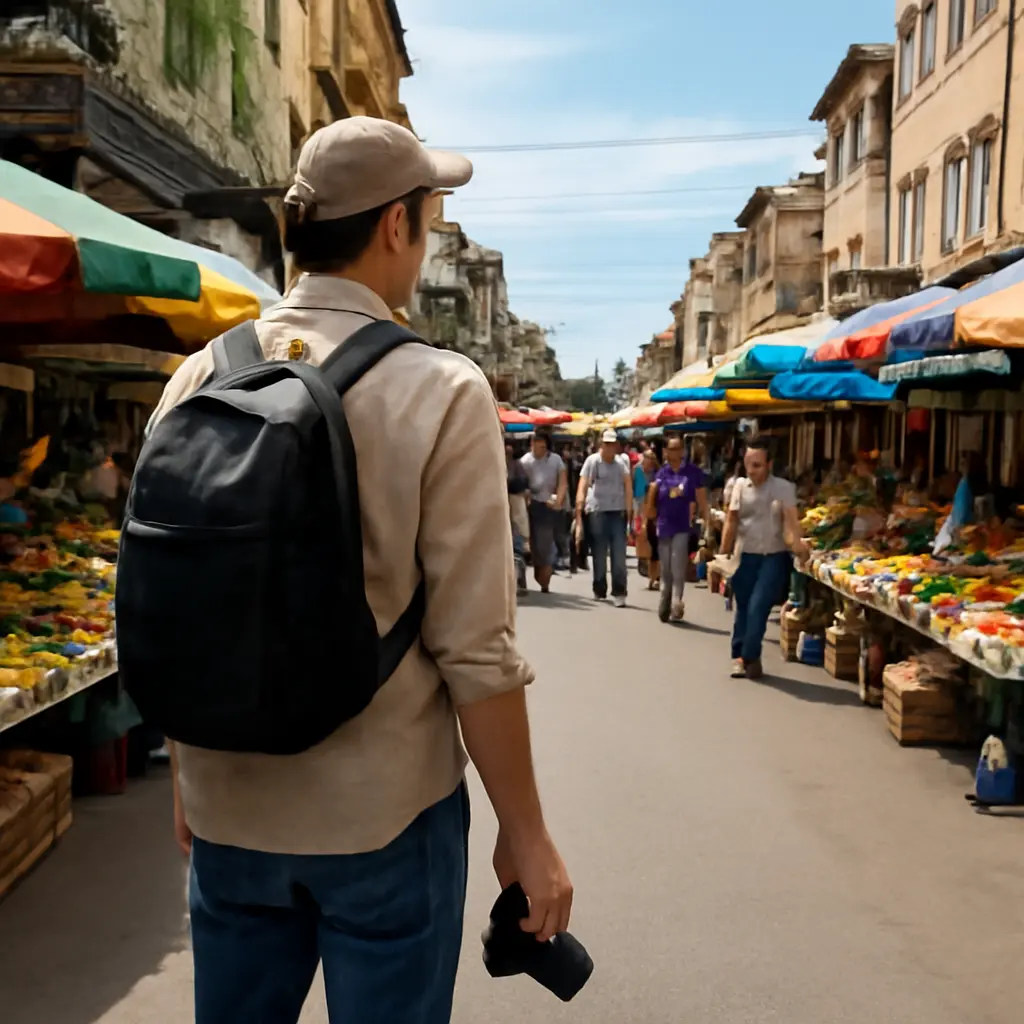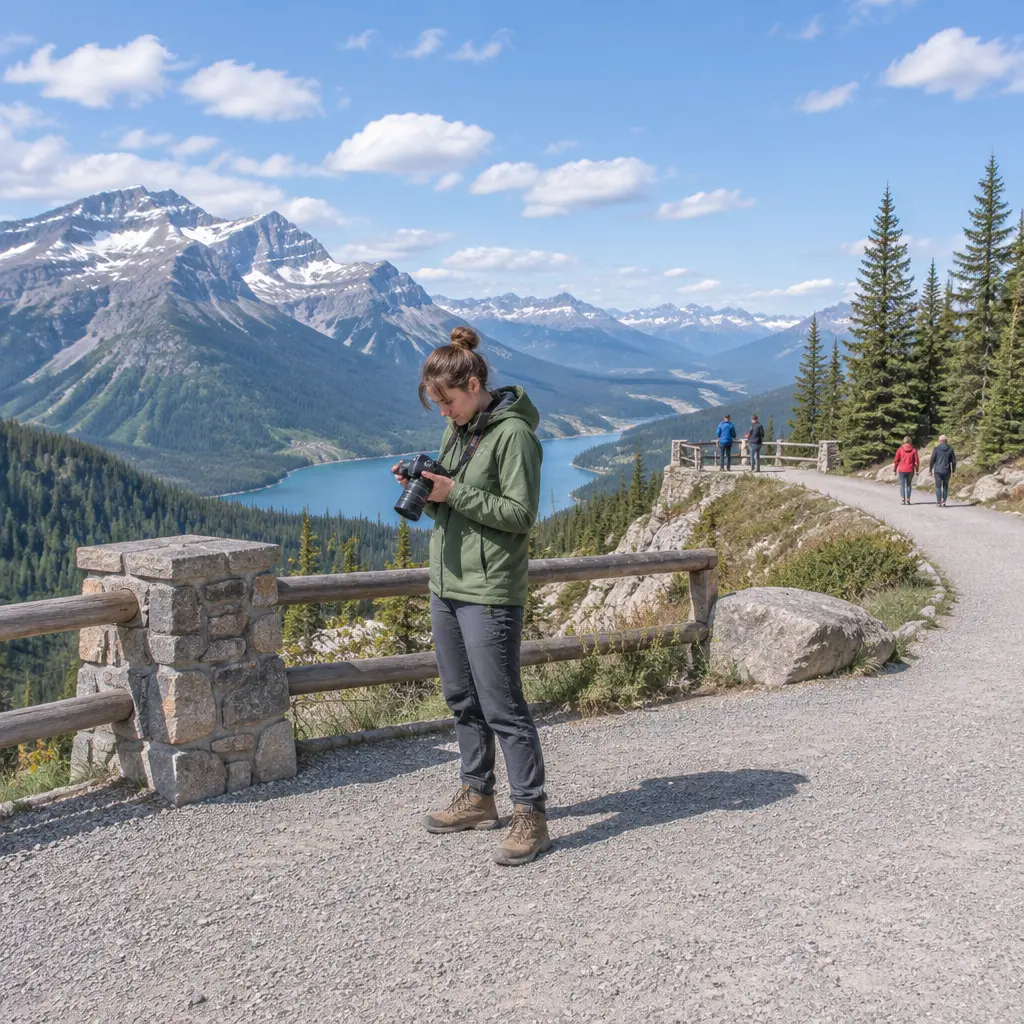
Travel-photo sharing contextualizes aesthetics with honest logistics reality when a post pairs an appealing image with useful, accurate details about how the experience actually works. The practice matters because travel inspiration is abundant but can leave out costs, access barriers, crowds, weather, and effort. Research by Expedia Group found that 71% of surveyed travelers said social media influenced their travel decisions, while research from the European Travel Commission identifies social platforms as important sources of destination inspiration. Thoughtful sharing can therefore preserve the pleasure of a beautiful image while helping others make better-informed plans.
Travel-photo sharing connects aesthetic appeal with logistical reality
There is no single formal academic definition of “travel-photo sharing contextualizing aesthetics with honest logistics reality.” In this article, the phrase describes a communication practice: presenting travel images alongside relevant, verifiable information about access, timing, cost, conditions, and limitations. It combines visual storytelling with practical travel information rather than treating a photograph as a complete account of a place.
The distinction matters because a photograph is a selective representation. A carefully framed image may accurately show a landmark and still omit the queue, steep approach, restricted opening hours, seasonal closure, or weather that shaped the visit. Context does not invalidate the image; it helps audiences understand what the image can and cannot tell them.
Useful forms of this practice include captions that identify conditions, accessibility notes, cost disclosures, crowd and timing information, and follow-up corrections. These related approaches share one goal: keeping aesthetic inspiration connected to the circumstances a traveler may encounter.
Aesthetic framing and selective representation
Aesthetic framing is the selection of angle, light, composition, and moment that makes a scene visually compelling. It is a normal part of photography, but viewers may mistake a polished frame for a representative picture of the whole experience. The United Nations World Tourism Organization’s work on tourism and digital platforms describes how online images and content shape destination discovery and expectations. A responsible caption can clarify whether an image shows an unusual quiet moment, a specific season, or a viewpoint reached only after a demanding walk.
Logistical context and decision-useful details
Logistical context is information that helps a viewer assess whether, when, and how to visit. Depending on the place, it may include admission charges, reservation requirements, transit options, walking time, terrain, facilities, weather exposure, or rules for photography. The U.S. Federal Trade Commission’s guidance on endorsements also underscores a related principle: material connections, such as sponsored stays or paid promotion, should be clearly disclosed so audiences can interpret recommendations appropriately.
Honest travel-photo captions improve the usefulness of visual inspiration
A practical caption bridges what a photograph evokes and what a traveler needs to know. Rather than promising an idealized experience, it separates personal impressions from checkable facts. For example, “beautiful at sunrise” is a subjective observation; “the trail was muddy after overnight rain” describes a condition that may affect planning. Combining the two makes the post more informative without making it less evocative.
Accessibility and physical effort
Accessibility information describes the features and barriers that affect people with different mobility, sensory, or other access needs. Useful details can include stairs, steep gradients, uneven surfaces, accessible toilets, seating, lift availability, and whether information has been confirmed with the venue. Avoid broad claims such as “accessible for everyone” unless they are supported by specific, current information. The World Health Organization estimates that 1.3 billion people—about 16% of the global population—experience significant disability, illustrating why access details are relevant to a large share of potential travelers.
Costs, reservations, and changing conditions
Cost and booking context helps readers distinguish a spontaneous outing from an experience requiring advance planning. State the date when prices or rules were checked, specify what a quoted price covers, and identify costs that are not included. Opening hours, permits, transport schedules, and reservation policies can change, so readers should be directed to verify current details with the official operator or destination authority. This is especially important for protected areas and popular attractions, where visitor rules may vary by season.
Crowds, timing, and environmental conditions
Crowd and condition notes explain how timing, season, and weather influence the scene. A caption might state that a photo was taken early in the morning, during shoulder season, or after a period of rain. These details prevent a single image from implying that a quiet or sunny visit is guaranteed. They also encourage visitors to follow local guidance and avoid sensitive locations or unsafe behavior for the sake of a photograph.
Transparent sharing builds trust and supports better travel decisions
Transparency is not a demand that every post become a travel guide. It means providing enough context to avoid a misleading impression, particularly when a post recommends a business, destination, or activity. A concise note can identify the visit date, disclose sponsorship, distinguish personal experience from general advice, and flag details that should be checked before departure.
A caption checklist for creators
A useful caption can be brief while still covering the information most likely to affect a visit. Before publishing, creators can ask:
- When was the image made, and are the conditions seasonal or unusual?
- What costs, reservations, permits, or transport details would materially affect a visitor?
- Are there access barriers or physical demands that should be described specifically?
- Is the post sponsored, gifted, or otherwise connected to a business or destination?
- Which details may have changed and should be verified with an official source?
A real-world example: a popular viewpoint
Consider a photograph of a scenic overlook that appears empty and easy to reach. A more complete post could retain the image while noting that it was taken shortly after sunrise, that reaching the platform involves steps, and that parking is limited. If the creator has not checked current fees or opening rules, the caption should say so rather than guess. The example shows how small, factual additions can help readers plan while preserving the image’s emotional appeal.
Conclusion: pair travel inspiration with verifiable context
Travel-photo sharing is most useful when aesthetic framing and logistical context work together. Honest captions can clarify access, effort, cost, timing, crowds, and changing conditions, while transparent disclosures help audiences judge recommendations. The broader implication is that travel imagery does more than document places: it can shape expectations and decisions. Creators should share what they know, identify what may change, and encourage readers to confirm essential details with current official sources. Travelers, in turn, can look beyond the frame and use photographs as inspiration—not as a complete itinerary.
Sources: Expedia Group, Traveler Value Index 2023, https://partner.expediagroup.com/en-us/resources/research-insights/traveler-value-index; European Travel Commission, Monitoring Sentiment for Intra-European Travel, https://etc-corporate.org/reports/monitoring-sentiment-for-intra-european-travel/; United Nations World Tourism Organization, Global Report on the Transformative Power of Tourism, https://www.unwto.org/; U.S. Federal Trade Commission, Guides Concerning the Use of Endorsements and Testimonials in Advertising, https://www.ftc.gov/business-guidance/resources/ftcs-endorsement-guides-what-people-are-asking; World Health Organization, Disability, https://www.who.int/news-room/fact-sheets/detail/disability-and-health